Tons to Cubic Yards Calculator
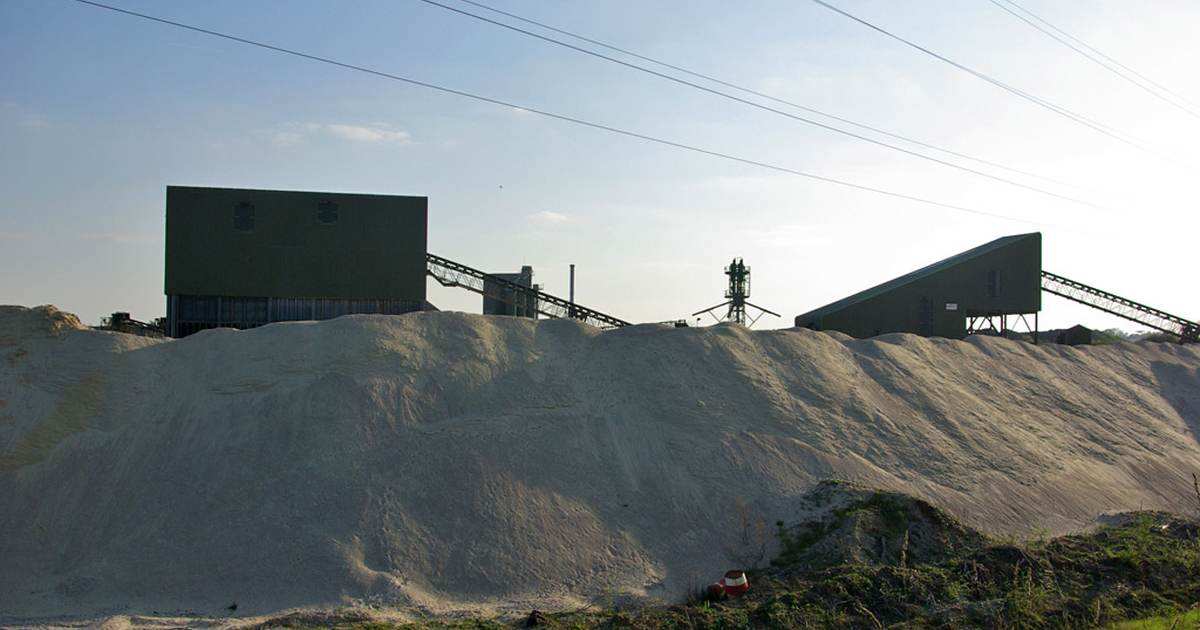
Convert bulk landscape materials between weight and volume — gravel, sand, topsoil and mulch — using typical per-yard densities you can adjust to match your supplier.
—
Densities are typical loose, dry weights. Moisture, compaction and stone size change them, so use your supplier’s stated density when you have one.
Common conversions
| Material | 1 ton ≈ | 1 cubic yard ≈ |
| Gravel / crushed stone | 0.71 yd³ | 1.40 tons |
| Sand | 0.77 yd³ | 1.30 tons |
| Topsoil | 0.91 yd³ | 1.10 tons |
| Mulch, dry | 4.00 yd³ | 0.25 tons |
| Mulch, wet | 2.50 yd³ | 0.40 tons |
| Crushed concrete | 0.69 yd³ | 1.45 tons |
How the conversion works
Weight and volume are linked by density. In reverse:
cubic yards = tons ÷ (tons per cubic yard)
tons = cubic yards × (tons per cubic yard)
One cubic yard is 27 cubic feet — a box 3 ft × 3 ft × 3 ft.
There is no single correct density for a material. Wet sand weighs more than dry sand; compacted gravel weighs more per yard than loose delivery. The densities above are typical loose delivery values for estimating, and the number to trust is the one your supplier quotes.
Which number should you order
Order in the unit your supplier sells in — bulk aggregates are often sold by the ton, while delivered soil and mulch are often sold by the yard. If your project needs a volume first, start with the gravel, topsoil or mulch calculator, then convert to the supplier’s unit here. Remember that quoted depths usually refer to compacted material, and spreading takes more volume than the finished layer.
Related calculators
Reviewed by the MaterialWhiz Editorial Team. Last reviewed: October 10, 2026. See how we calculate · Report a correction.